BEHIND THE PROJECT | Automation Behind Modern Food Processing
What happens before an automated processing system goes live?
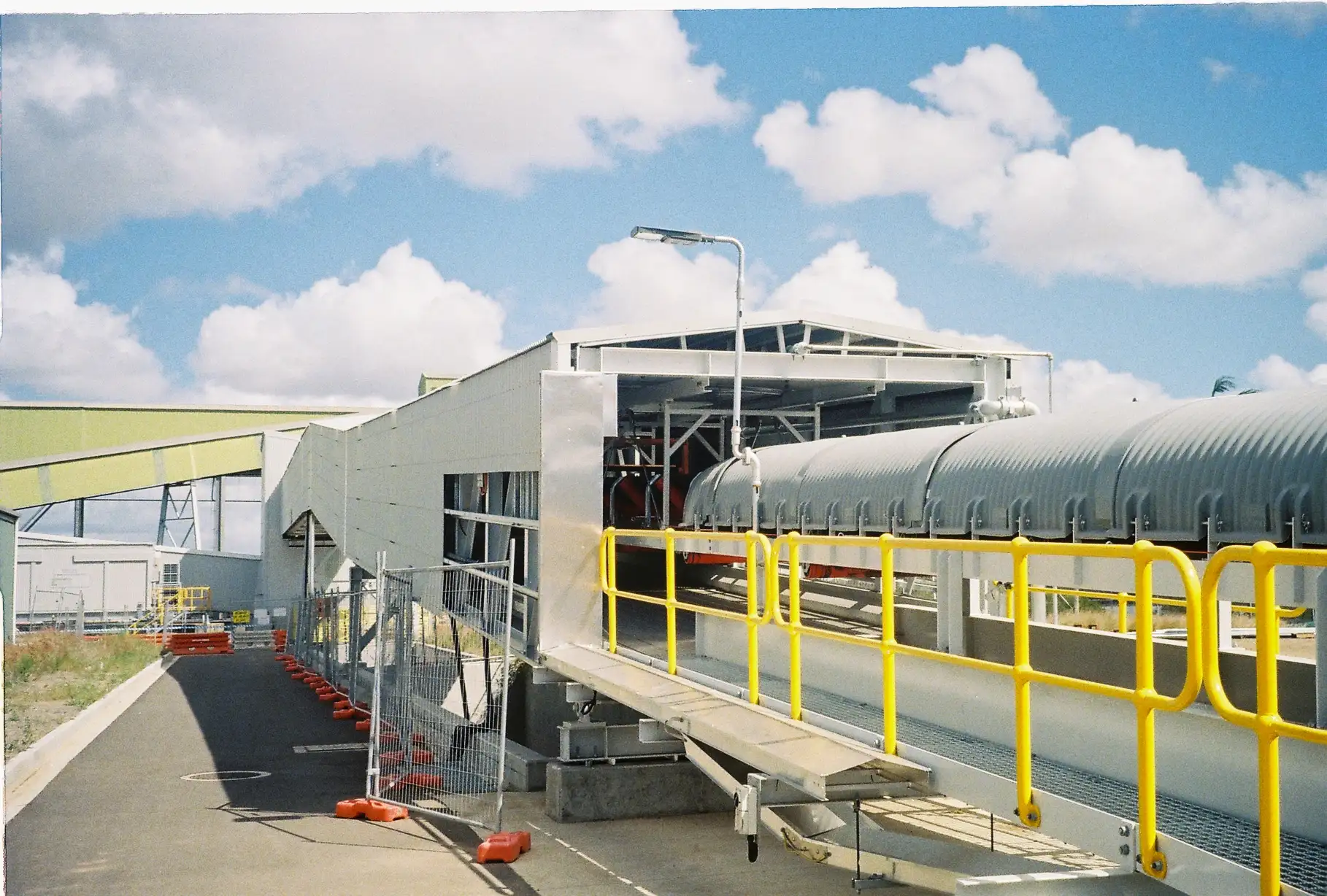
In modern food processing, an overhead conveyor may look like a mechanical system. Behind its movement, however, is an interconnected network of electrical infrastructure, sensors, field devices and automation controls that must operate together with precision.
CE Group is currently delivering electrical and control automation works supporting an overhead conveyor upgrade within a large-scale Australian food processing facility.
The project provides an insight into an important part of industrial automation that is rarely seen: how complex equipment is integrated, tested and proven before it enters production.
Connecting the physical and digital systems
Automated conveyor systems depend on constant communication between the physical equipment and the control system.
Sensors detect position and movement. Encoders provide speed and positional information. Field devices communicate equipment status. Control systems interpret these signals and trigger the required response across the process.
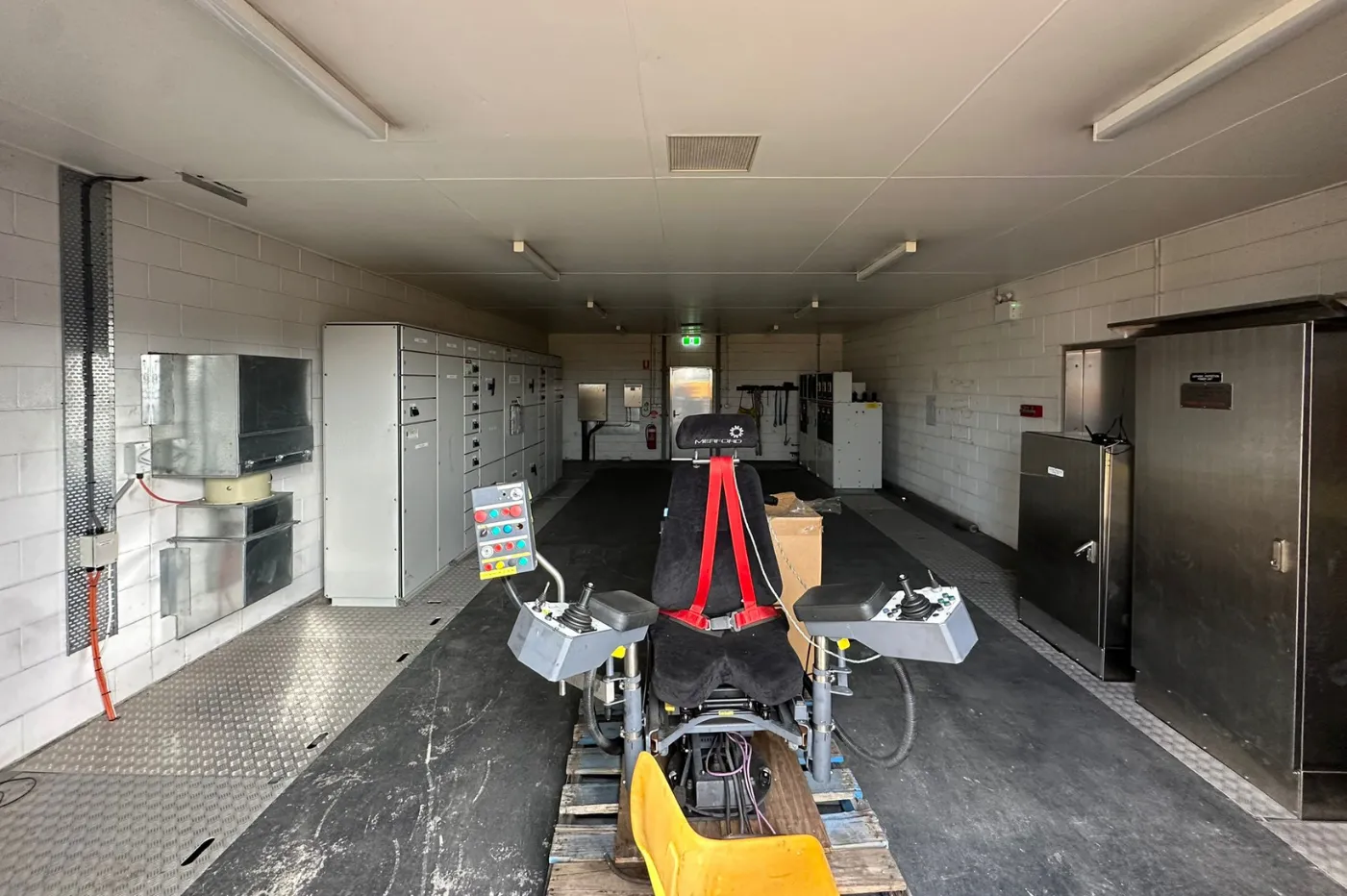
CE Group’s scope brings these elements together through electrical panel assembly, low-voltage electrical systems, field devices and control interfaces supporting the upgraded conveyor infrastructure.
The challenge is not simply whether each component works independently. The complete system must respond correctly as equipment moves through each stage of the process.
Testing before production
A key part of the project is Factory Acceptance Testing (FAT).
FAT provides an opportunity to assemble and test equipment in a controlled environment before final installation.
For this project, electrical, mechanical and automation components are brought together so their interaction can be progressively tested and verified.
The process includes electrical verification, point-to-point I/O testing and functional testing of the conveyor system. Inputs and outputs are checked from the control panels through to field devices to confirm that signals, equipment responses and automated sequences operate as intended.
Why integration matters
Industrial automation relies on multiple disciplines working as one system.
A sensor can operate correctly. A motor can operate correctly. A control panel can operate correctly. But the real test is whether they communicate and respond correctly when the complete process is running.
Factory testing helps identify potential integration issues before equipment reaches its final operating environment, providing an opportunity to verify functionality and resolve issues before installation.
For complex processing infrastructure, this creates a more controlled pathway from assembly → integration → testing → installation → production.
Building smarter processing infrastructure
As food and process manufacturing becomes increasingly automated, electrical and control integration is becoming fundamental to how facilities improve consistency, efficiency and operational control.
Projects like this demonstrate the engineering behind that transition – combining electrical infrastructure, industrial automation, field devices and structured testing to turn individual pieces of equipment into an integrated operating system.
PROJECT SNAPSHOT
Project: Overhead Conveyor Automation Upgrade
Location: Australia
Sector: Food & Process Manufacturing
Practical Completion: 2027
CE Group Capability: Electrical | Control Automation | Systems Integration | Factory Acceptance Testing
Delivery Environment: Operational Food Processing Infrastructure